All the Benefits, Without the Irritation
[ad_1]
Though it’s considered one of the premier skin-care ingredients for tackling signs of aging, retinol isn’t for everyone. It’s no secret that many people shy away from the vitamin-A derivative (an over-the-counter retinoid available in different strengths), particularly those with easily irritated skin types. “Retinol can be intimidating because of the potential dryness or irritation it can cause, especially for sensitive skin. But with the right approach, it can fit beautifully into almost any routine,” says aesthetician Amy Peterson, founder of skin-care brand Lenox and Sixteenth. Chapel Hill, NC dermatologist Sue Ellen Cox, MD agrees that there is caution around retinol. “This ingredient involves an adjustment period that many people aren’t up for,” she adds. “Side effects like purging, flaking and redness can be a huge deterrent.” But, despite potential for irritation, experts like Dr. Cox largely see retinol as the gold standard in an anti-aging routine. And, with forward-thinking formulas working to reduce retinol’s negative attributes, even sensitive skin can benefit from the right retinol routine.
The Retinoid Family Tree
For retinoids to work in our skin, they have to be converted to retinoic acid, the active form of vitamin A that our skin cells directly connect with. The weaker the retinoid formula, the more steps it takes to convert to retinoic acid.
| Steps | Strength | Retinoids Available OTC | Formula |
| 3 STEPS to convert to retinoic acid | Low Strength | Retinyl Esters (Retinyl Palmitate, Acetate, Linoleate, Propionate) | This retinoid binds retinol to fatty acid for stability and less irritation, but is not as potent or effective. |
| 2 STEPS to convert to retinoic acid | Medium Strength | Retinol | Available over the counter, it comes in formulations up to 1 percent to treat acne and signs of aging. |
| 1 STEP to convert to retinoid acid | High Strength | Retinaldehyde (Retinal) | This retinoid converts in the skin faster than retinol, making it a quicker and more potent option. |
Professional Perspective
New York dermatologist Marina Peredo, MD explains that under the big umbrella of retinoids (vitamin A derivatives), retinols are the milder option. “If we’re talking about prescription-strength retinoids, Retin-A (tretinoin) is often used to tackle comedonal acne with formulas that are more potent, and yes, they can be more irritating,” she says. “Retinol is chemically different; it’s not as strong, or as irritating.”
Most skin-care experts view retinol as an excellent option in their “aging gracefully” toolkit. “As an ingredient that has been extensively studied over time there is evidence of improvement in such conditions as acne, fine lines and sun damage,” explains New York dermatologist Jody Levine, MD. Peterson adds that retinol is also formulated to fade dark spots and keep pores clear.
New York dermatologist Dr. Muneeb Shah says retinol also checks every box experts look for in a skin-care ingredient. “Effective ingredients need to be able to penetrate the skin, have a known mechanism of action that can produce the intended result, and have clinical human studies to prove it works in real life,” he explains. “Retinol checks all those boxes by binding to retinoic acid receptors and having over 50 years of clinical experience proving it works.”
Service Report: Retinol in Action
It’s that binding process that makes retinol work. “Retinol needs to be converted to retinoic acid by enzymes within the skin,” explains cosmetic chemist Kelly Dobos. “Then, retinoic acid binds to specific receptors in the nucleus of cells, which not only influences the production of collagen and new skin cells, but also the maturation and shedding of older skin cells.”
As cells are prompted to make new collagen and skin cell turnover increases, the result is improvement in the appearance of skin. That’s a big deal, considering both of these processes slow down as we get older. “In our 20s, the process of skin cell turnover takes about 28 days, but by the time we’re in our 40s, it takes about 40 to 50 days,” Dobos explains. “The process of accelerated skin renewal leads to smoother texture, a more even skin tone and a reduced appearance of fine lines and wrinkles over time.”
And with so much clinical data to back it up, retinol isn’t going anywhere. “Many trendy ingredients come and go, but retinoids, including retinol, are a class of ingredients you can rely on,” Dr. Shah says.
Are You Actually Too Sensitive?
Of course, retinol isn’t for everyone. “Sensitive skin can react with redness, dryness, flaking or a compromised skin barrier,” explains New York dermatologist Marisa Garshick, MD. “This is especially common with those who start to use high-strength or non-buffered formulas too quickly.”
But what is “sensitive skin,” and do most of us really have it? According to a report published in Frontiers Medical Journal, about 70 percent of adults globally report having sensitive skin, which the report describes as “unpleasant sensory responses to stimuli that should not provoke such sensation.”
If that sounds a little vague, it’s because it kind of is. “I don’t think we are largely talking about sensitive skin here,” Dr. Peredo says. “We are talking about reactive and overprocessed skin. The skin-care market is oversaturated; we often use too many actives, and even children are following multistep skin routines. Altogether, that is a recipe for irritation.”
Dr. Levine adds, “I think that increasing skin sensitivity— whether from over-exfoliation, stress, pollution or too many products at once—makes the retinol conversation more complex. However, rather than turning away from retinol altogether, I think the future lies in education and personalized care. The goal is to use it more mindfully and sometimes less frequently, in harmony with the skin rather than in battle with it.”
Retinol Done Right
The Formula
According to Dobos, there are a few things formulators can do to minimize the potential for retinol-caused irritation. “Encapsulating retinol in liposomes can slow its release, and it also protects the retinol, which improves stability,” she says. “Adding ceramides to a formula can help support the skin barrier to reduce dryness and flaking. Anti- inflammatory ingredients like bisabolol and allantoin can calm the skin to reduce redness and irritation.”
If you are new to retinol, it also helps to begin with a lower-strength formula. “If you have very sensitive skin, you can start with a lower dose—0.1 percent retinol— and increase as tolerated,” says Dr. Shah. “Or, use products with encapsulated, slow-release retinol.”
The Routine
You can also avoid the worst of the “retinol uglies” by keeping your routine low and slow. “For those with sensitive skin, I suggest using retinol just one or two nights a week at first,” Peterson says. “Layering a rich moisturizer on top of the retinol in the evening is also essential to support your skin as it adjusts.”
Houston dermatologist Jennifer Segal, MD adds that a slow introduction to retinol should also be paired with a very simple and gentle skin-care regimen so that the retinol can be tolerated.
The Alternatives
While starting low and slow can improve your risk for irritation with retinol, there may also be times when a swap is needed. “When retinol causes irritation, especially during colder months or when used with exfoliants, alternatives like bakuchiol or peptides can be helpful for ultrasensitive skin,” adds Dr. Garshick.
And of course, there are still those for whom retinol is not a fit. If true skin sensitivity is a concern, Peterson says you should look for smart alternatives that provide the radiance and resurfacing benefits of retinol, but without the irritation.
Advanced Formulas Redefining Retinol
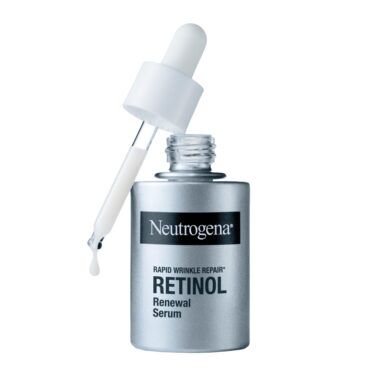
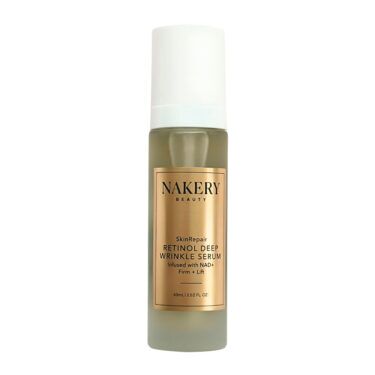
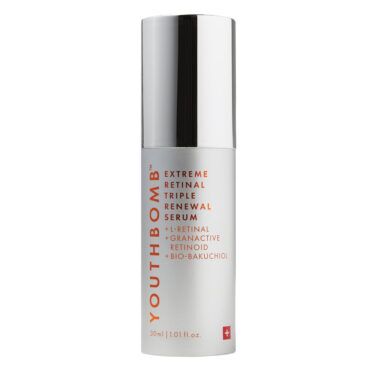
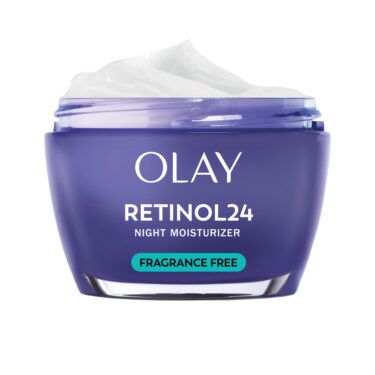
With stabilized, encapsulated retinoid formulas that work deeper, faster and with less irritation, this is the new age of retinol.
/
/
/
/
[ad_2]
Source_link