You Probably Don’t Have These Conditions.
[ad_1]
The Rise of Misinformation in the Age of Wellness
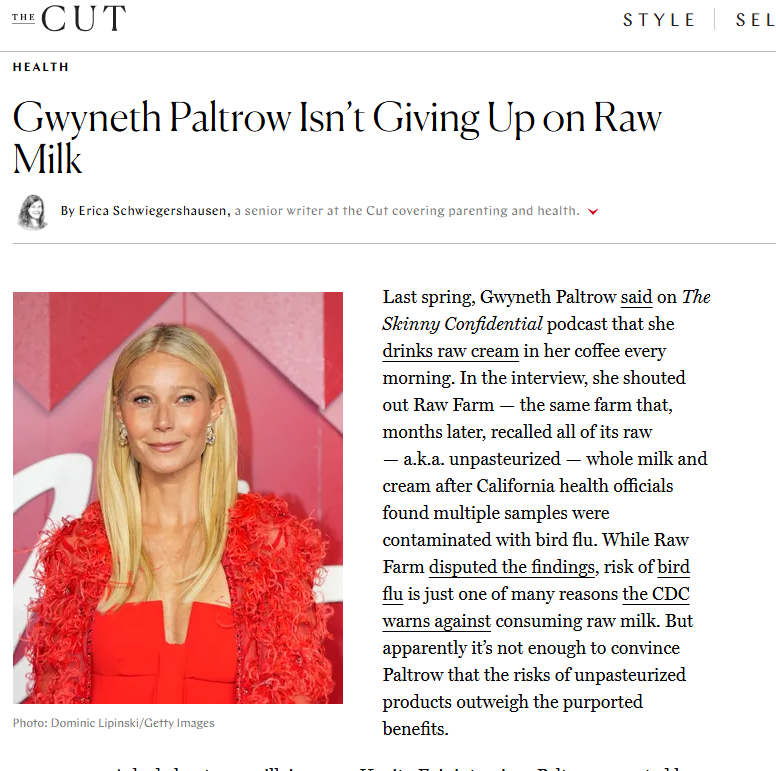
From TikTok videos to Instagram infographics, health and wellness content is everywhere. While some creators are qualified health professionals, many are not—and even well-meaning influencers often spread misinformation. Conditions like parasites, adrenal fatigue, Candida overgrowth, and chronically elevated cortisol from coffee frequently pop up in social media feeds.

The problem? These conditions are either misunderstood, extremely rare, or not supported by science at all.
The allure is understandable: vague symptoms like fatigue, brain fog, and bloating can make anyone worry. It’s tempting to latch onto a diagnosis that seems to explain everything, but misdiagnosis, unnecessary treatments, and anxiety can result from listening to and following unvetted advice.
Let’s unpack the facts behind four health conditions that are more internet-famous than scientifically grounded.
Parasitic Infections: Rare, but not Impossible
The Internet Narrative:
Social media posts often warn of “silent parasites” causing fatigue, skin problems, and bloating, even in people who haven’t traveled internationally. “Parasite cleanses,” filled with herbs and supplements, are touted as essential detox tools.
Reality Check:
In reality, parasitic infections in countries like Canada, the U.S., and most of Europe are rare outside of specific contexts (e.g., poor sanitation, certain daycares, or international travel). A Canadian study found that 29% of travelers to developing regions contracted parasitic infections, but this does not reflect the average population.
Symptoms of real parasitic infections vary but typically include diarrhea, malabsorption, weight loss, anemia, not eczema and brain fog.
The symptoms are acute and often severe—not subtle fatigue or bloating. Diagnosing parasites requires stool tests or serology, not guesswork or online quizzes. Treatments are targeted and evidence-based, not herbal regimens from an influencer’s storefront.
Adrenal Fatigue: A Diagnostic Mirage
The Internet Narrative:
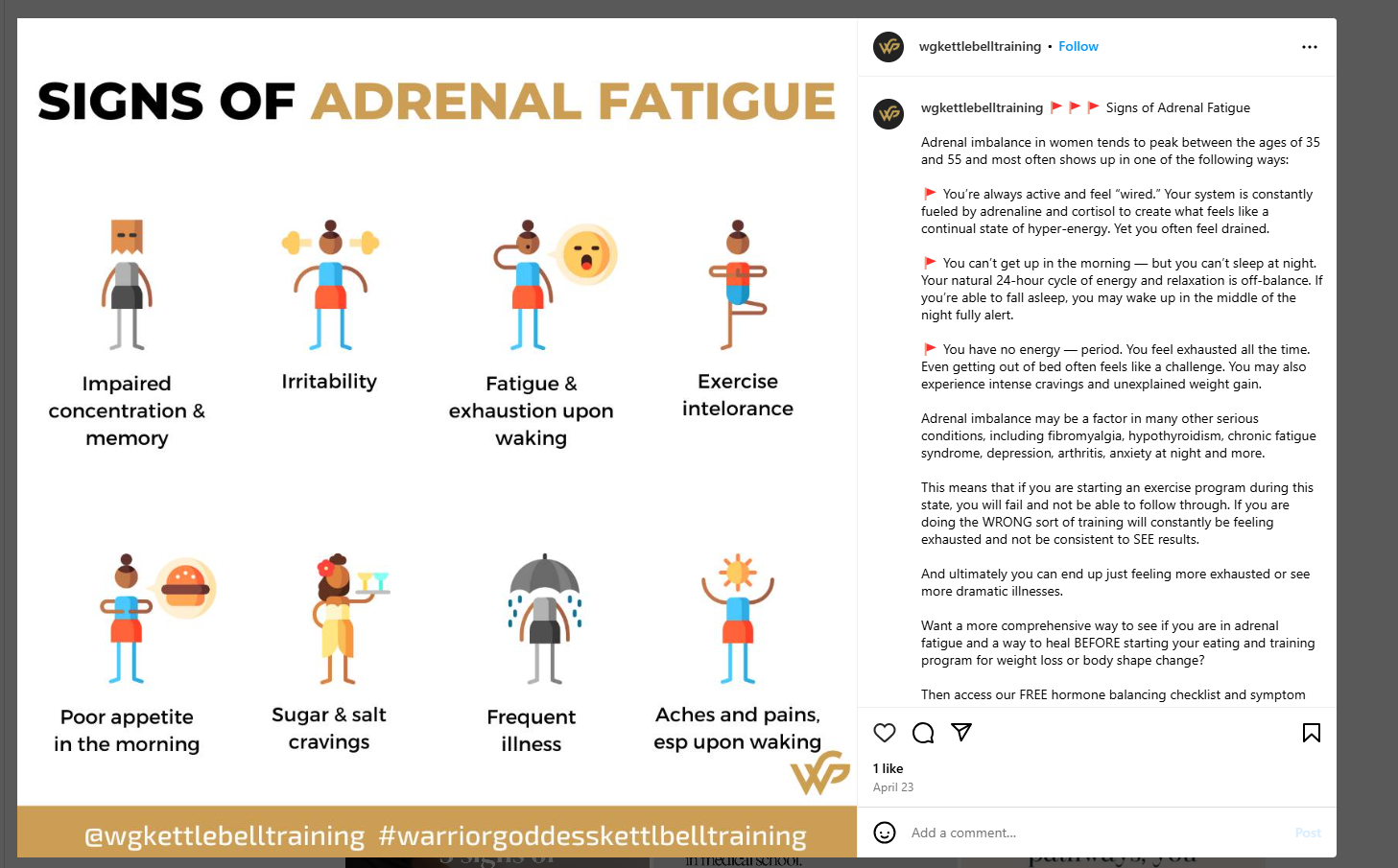
“Do you feel tired all the time, even after 8 hours of sleep? You might have adrenal fatigue.” Social media posts present adrenal fatigue as an epidemic of modern life caused by stress, eating too much sugar, or sleep deprivation.
Reality Check:
There is no recognized medical condition called adrenal fatigue. A 2016 systematic review concluded that “adrenal fatigue does not exist,” with no scientific evidence supporting the theory of underperforming adrenal glands due to stress.
Confusingly, adrenal fatigue is often conflated with legitimate medical conditions like Addison’s disease or secondary adrenal insufficiency, which are serious and require medical treatment. These are diagnosed with blood tests and involve dangerously low cortisol levels—not vague symptoms that match burnout or depression.
The danger of the adrenal fatigue myth is twofold:
People may delay getting proper diagnosis for real issues like thyroid disease, anemia, or depression.
They may spend hundreds of dollars on unnecessary supplements or “adrenal support” herbs with no proven benefit.
Candida Overgrowth: Common Fungus, Uncommon Problem
The Internet Narrative:
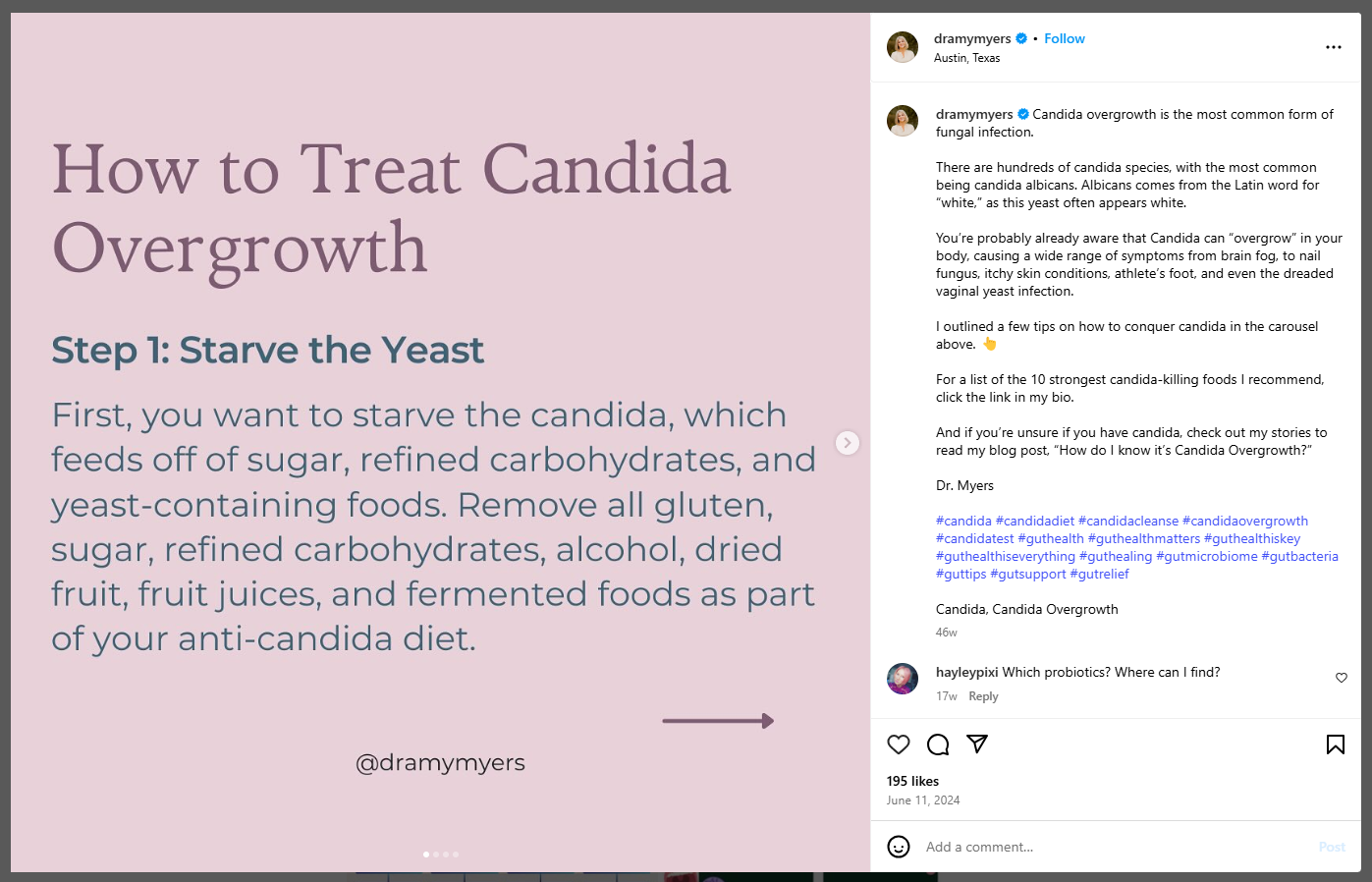
“You probably have Candida overgrowth and don’t know it.” Influencers claim it causes everything from brain fog to sugar cravings to acne. “Anti-Candida” diets and antifungal supplements are popular on wellness platforms.
Reality Check:
Candida is a yeast that lives on your skin and in your gut. Overgrowth can happen—but almost exclusively in immunocompromised individuals, people on long-term antibiotics, or those with diabetes. Common types of overgrowth include:
Oral thrush (white patches in the mouth)
Vaginal candidiasis (itching, discharge)
Invasive candidiasis (rare and often seen in ICU patients)
Studies like this one on psoriasis patients show Candida colonization in specific populations (PMID: 39720714), but no evidence supports the idea of a widespread epidemic of “systemic candidiasis” in healthy individuals.
Anti-Candida diets are overly restrictive and can lead to disordered eating. Worse, they may distract from finding the real root cause of symptoms like fatigue or bloating (e.g., IBS, stress, thyroid dysfunction).
Coffee and Cortisol: The Stress Hormone Myth
The Internet Narrative:
“Coffee spikes your cortisol and keeps you in fight-or-flight mode all day.” Some wellness figures claim coffee is a root cause of hormone imbalance, weight gain, and burnout—especially in women.
Reality Check:
Caffeine can cause a temporary rise in cortisol, especially in people who are caffeine-naïve. But in habitual coffee drinkers, the body quickly adapts. A 2024 randomized trial found that caffeine ingestion did not significantly alter daily cortisol levels in habitual users.
Earlier research from 2008 showed that while an 800 mg dose of caffeine could increase cortisol by about 52%, these effects were transient and returned to baseline. The recommended caffeine intake should not exceed 400mg per day, which is about the equivalent of 3 cups of coffee. Moderate coffee consumption (1–3 cups/day) may even be beneficial for metabolic and brain health.

Real Cortisol Disorders
If someone truly has chronic high cortisol, it’s not from Starbucks—it’s from a disease like Cushing’s syndrome. This rare condition (2.2 per 100,000 people;) is caused by tumors (pituitary or adrenal), not diet.
Symptoms include:
Rapid weight gain (especially in the face/abdomen)
Thin skin, easy bruising
Muscle weakness
High blood pressure and blood sugar
Cushing’s syndrome requires endocrine evaluation, imaging, and sometimes surgery—not giving up your morning latte.
Why Misinformation Persists—and why it’s Dangerous
Social media algorithms reward bold claims, personal anecdotes, and visually appealing content—not nuance, evidence, or context. This makes platforms fertile ground for pseudoscience. The most viral health content tends to:
Offer simple explanations for complex problems
Validate people’s symptoms with easy answers
Sell a product as the “solution”
This creates a vicious cycle: people feel seen, buy a supplement, and then become part of the testimonial echo chamber—even if the underlying cause of their symptoms was never investigated properly.
Potential Consequences:
Delayed diagnosis of real medical conditions
Wasted money on unproven treatments
Worsening anxiety about normal bodily functions
Disordered eating driven by restrictive “healing” diets
How to Think Critically About Health Content
Here are a few questions to ask yourself when you encounter health claims online:
Who is making the claim? Are they a licensed healthcare provider?
Is it based on peer-reviewed research? Look for PubMed citations, not blogs.
Is the condition recognized by major medical bodies? Check CDC, WHO, or national endocrinology societies.
Is the treatment supported by clinical evidence? Testimonials are not science.
Does it sound too good to be true? If yes, it probably is.

Evidence-based medicine is not always flashy, but it’s trustworthy. If you’re experiencing persistent symptoms, the best first step is to see your healthcare provider.
Final Thoughts
Feeling tired, foggy, or bloated doesn’t mean you have a parasite, adrenal fatigue, systemic Candida, or coffee-induced cortisol overload. These narratives, while compelling, are often built on shaky foundations. While it’s important to validate people’s symptoms, the best support comes from clarity, not confusion.
Trust science. Question oversimplified answers. And never underestimate the power of a good night’s sleep, balanced meals, and reliable medical care.
While you’re here…
I’ve recently made the decision to take more clients in my private practice! If you’ve been wanting to work with a professional to reach your nutrition and health goals, I’m here to help.
Get 10% off any of my counselling packages (3 or 5 sessions) with the code BUILD10. More info and booking link here.
[ad_2]
Source_link